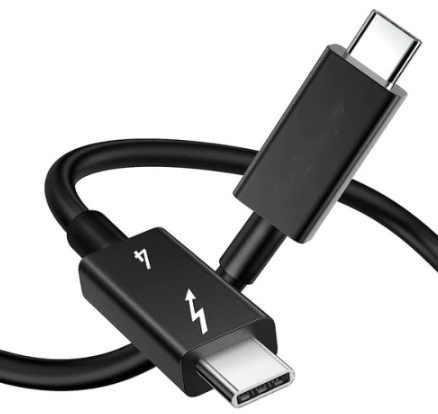
In modern workspaces, USB-C and Thunderbolt docking stations act as the central hub for data distribution, video output, and power delivery. However, users often encounter hardware identification failures due to protocol handshake errors or bandwidth allocation conflicts. The following outlines standardized, hardware-logic-based troubleshooting procedures for four common failure scenarios.
I. Diagnosis and Repair of Video Signal Loss (No Signal)
When external monitors display a black screen or "No Signal," the issue usually stems from physical connection interruptions or EDID (Extended Display Identification Data) handshake failures.

Troubleshooting Steps:
1. Verify Physical Link Integrity: Check HDMI or DisplayPort cables for damage. High-resolution transmission (e.g., 4K@60Hz) requires high shielding performance. It is recommended to replace cables with certified HDMI 2.0 or DP 1.4 standards and ensure connectors are fully locked.
2. Port Swap Testing: Docks often have multiple video channels. If the current port is unresponsive, switch to a backup interface (e.g., HDMI to DP) to rule out specific hardware soldering defects or port damage.
3. GPU Driver & Protocol Matching: Outdated GPU drivers can cause MST (Multi-Stream Transport) failures. Visit the PC manufacturer's website or graphics control panel to force an update.
4. Force Signal Detection: If the system does not automatically recognize the display, trigger the detection mechanism manually.
II. Input Device (Keyboard/Mouse) Latency or Failure
Intermittent disconnection or input lag is often related to USB frequency interference or insufficient power supply.
Troubleshooting Steps:
1. Physical Reconnection & Tactile Confirmation: Re-plug the USB receiver or cable, ensuring the plug is fully inserted into the socket with clear tactile feedback to rule out poor contact.
2. Avoid USB 3.0 RF Interference: USB 3.0 interfaces generate noise in the 2.4GHz band, interfering with wireless receivers. Technical Recommendation: Connect wireless receivers to USB 2.0 ports or use a USB extension cable to distance the receiver from the dock body.
3. Execute Power Cycle: A simple PC reboot may not clear cache errors inside the dock. Disconnect the dock from power (unplug the power adapter and the host Type-C cable), wait 10–30 seconds, and reconnect to reset the internal chipset logic.
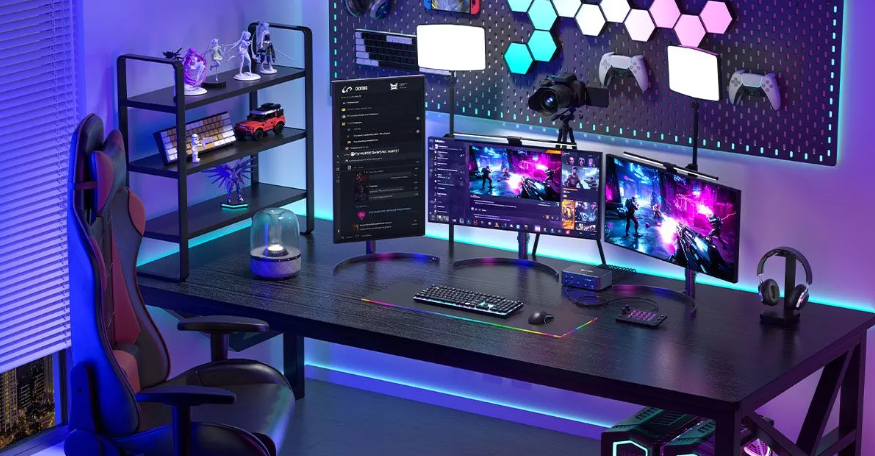
III. Device Not Recognized (Enumeration Failure)
When the system reports "USB Device Not Recognized" or the device is completely unresponsive, it usually involves missing driver layers or protocol incompatibility.
Troubleshooting Steps:
1. Specific Driver Deployment: Universal docks using DisplayLink technology require the installation of the "DisplayLink Manager" to function. Verify if your device model requires third-party driver support.
2. Protocol Compatibility Check: Confirm the host Type-C port specifications. If the dock relies on Thunderbolt 3/4 but the host only supports standard USB-C (without Alt-mode), high-performance devices will not be recognized.
3. Controlled Variable Test (A/B Test): Connect the failing device directly to the computer or another dock. If the direct connection works but the dock connection fails, the fault lies with the dock's port or bandwidth allocation logic.
IV. Data Transfer Speeds Below Expectations
If SSD/external drive speeds are far below nominal values (e.g., a 10Gbps device running at 40MB/s), it is typically due to bandwidth bottlenecks or sub-standard cables.
Troubleshooting Steps:
1. Match Port Specifications: Strictly distinguish between USB 3.0 (5Gbps), USB 3.1 Gen2 (10Gbps), and USB 2.0 (480Mbps). High-throughput tasks must use high-speed ports (often marked in blue or red).
2. E-Marker Chip Verification: Low-quality USB-C cables may lack the E-Marker chip, causing the link to downgrade to USB 2.0 speeds. Always use the original data cable or a certified full-feature cable.
3. Bandwidth Load Management: When multiple high-bandwidth devices (e.g., 4K Monitor + NVMe Drive) operate simultaneously, shared bandwidth may be saturated. Temporarily remove unnecessary video outputs or peripherals during large file transfers.
V. System-Level Maintenance
If the targeted measures above fail, perform comprehensive system maintenance:
For every glitch, a fix is near.